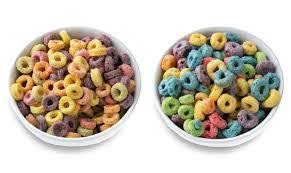
Would you still eat your favorite foods if you knew it might be causing your stress or focus issues? The U.S. is now considering banning artificial dyes which could change the way Americans snack forever.
In recent years, concerns over artificial food dyes have grown, prompting calls for stricter regulations, or even an outright ban in the United States. These synthetic dyes, found in everything from candy to cereal, have been linked to potential health risks, especially for children. As debates on synthetic food dyes heat up, consumers may soon see big changes on the store shelves.
This debate was reheated when the Health and Human Services Secretary, Robert F. Kennedy Jr., announced a plan earlier in the year to phase out food dyes in American foods. The Food and Drug Administration (FDA) has been laying the groundwork to eliminate petroleum based synthetic dyes from the shelves by the end of 2026.
Artificial food dyes, such as Red 40, Yellow 5, and Blue 1, are chemical additives that are used to make foods look more vibrant and appealing. Some studies suggest that they may contribute to hyperactivity, attention deficit, and other behavioral problems in children.
A study by the UK Food Standards Agency (FSA), found that certain dyes increased hyperactivity in kids. As a result, the European Union (EU) requires warning labels on foods containing these dyes, and some countries have banned them entirely.
In the U.S., many consumer advocacy groups have pushed for similar restrictions. The California State Legislature passed a bill called the California School Food Safety Act in 2023 to ban certain food dyes in school foods, claiming that it negatively impacts the health of students.
If the U.S. follows Europe’s lead, many popular snacks, brightly colored candies, sports drinks, chips, and cereals, could either disappear from shelves or experience formula changes to align with the laws. The dyes could potentially be replaced by natural alternatives. This could also affect school cafeterias, which would have to find alternatives for items like flavored milk and snacks.
While some argue that natural alternatives (such as beet juice and turmeric) are safer, others worry about higher costs or differences in the taste and appearance of the foods in question. Food companies like Kraft, known for their mac and cheese products, have already removed food dyes from their products in Europe, as required, but they have also stayed ahead of the curve and removed them from their products sold in the United States.
The FDA is reviewing the latest research on food dyes with lawmakers in several states, considering restrictions. Whether or not a nationwide ban happens, the conversation highlights a growing demand for healthier, more nutritious and transparent food options which may shape the store shelves for years to come.