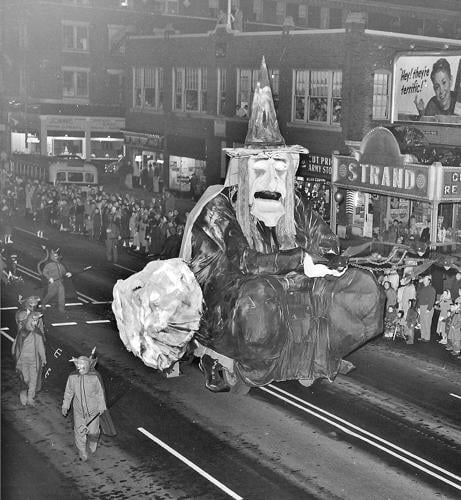
In the coming days of Halloween, the spooky decorations fill neighborhoods and get people into the holiday spirit, creating an exciting atmosphere leading up to this popular celebration. While nowadays Halloween is all about fun costumes, candy, and giving people a fright, not many people know the rich history behind the beloved day. Celebrated each year on October 31st, Halloween is a holiday with a long and complicated history, and used to be very different from what it is known as today.
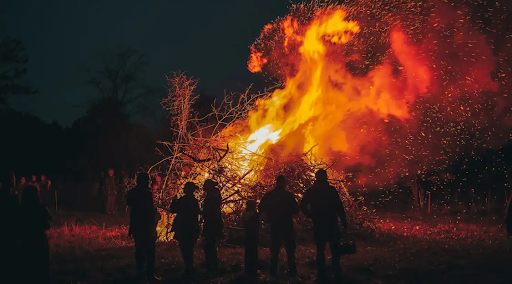
The oldest known origins date back to around 2,000 years ago, when the Celts (refers to collections of ancient European tribes across central and west Europe, this tradition being specifically from Ireland) created their ancient Celtic celebration, named Samhain (pronounced sow-in). This day marked the end of summer and was celebrated from October 31st to November 1st. It was believed by the Celtic people, that during this important day the barrier between the living and the dead was permeable, and allowed communication between the living and the departed. Celts would make offerings to them, like food, and Celtic scholars and priests( Druids) would often start large bonfires, and perform animal sacrifices for their Celtic Deities. They would also channel spiritual energy to tell fortunes. The majority of Celtics would prepare for the cold by collecting resources and gathering animals, and some used these animals to make costumes for the Samhain holiday. These costumes were worn in order to confuse spirits they believed to be present on the night of Samhain, and avoid the evil energy from them by scaring them. Another way they tried to scare the spirits was by carving scary faces into turnips. This tradition came from an old Ireland legend and was practiced among locals. It’s believed that the modern tradition of carving pumpkins into Jack-o-Lanterns originated from the old carving of turnips by the Celtics. Black and orange were popular colors during Samhain, and they were chosen to symbolize the harvest of the new autumn season for orange, and black as the death of the summer season.
After being conquered by the Romans, the Celtic tradition of Samhain transformed into a mix of two different Roman holidays: one holiday that celebrates the dead, and another that honors the Roman goddess of fruit and trees, Pomona. Pomona is also associated with harvest and apples, which is believed to be where the bobbing for apples on Halloween tradition originated. They celebrated this day on November 1st and had a harvest-inspired feast to honor the goddess. Though these harvest holidays lasted for a long time, they went through several major changes in the 8th century. During that time, Pope Gregory III turned the old Pagan festival into a series of Catholic holidays. He moved the catholic holiday, All Saints’ Day, or also known as All Hallows’ Day, from May to November 1st, and used it as a way to honor “saints, martyrs, and confessors,” that are in heaven. As a result, October 31st became All Hallows’ Eve, and was made the preparatory day for the All Saints’ Day. The full trio of the holidays weren’t complete, however, until the 11th century, when November 2nd was declared All Souls’ Day, which was a day dedicated to all baptized Catholics who have passed away.
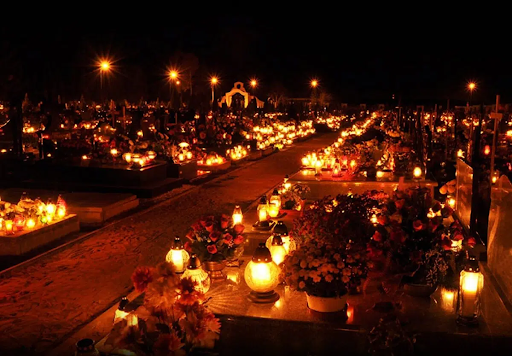
All Souls’ Day was celebrated similarly to Samhain, with big bonfires and parades being a large part of the holiday, and people would also dress up in costumes as saints, angels, or devils. In England and Ireland on All Saints’ and Souls’ Day, the less wealthy people would visit the houses of wealthy families, and receive pastries called Soul Cakes in exchange for a promise to pray for the homeowners’ dead relatives. This practice was known as “souling” and was taken up by children who would go door to door asking for gifts and money, which later morphed into what’s known today as trick or treating.
Samhain’s lingering mysticism contributed to the frightening air around All Hallows’ Eve, and it became a feared night that was believed to have supernatural and evil spirits most active and dangerous on this day. All Hallows’ Eve was celebrated on the traditional night of Samhain in the Celtic religion, and over many centuries, eventually all three of the Catholic holidays transformed into one that is called by the famously known name, Halloween. The Catholic Church however still celebrated All Saints’ Day and Souls’ Day separately, and some Wiccans and people that still do Celtic practices commemorate Samhain.
Halloween in early colonial America was more recognized in Maryland and Southern Colonies than New England colonies. To celebrate Halloween, people hosted “play parties” to celebrate the new harvest season. Neighbors told stories about the dead, fortunes, danced, and sang. By the middle 19th century, Halloween wasn’t recognized as a holiday all over America yet. During the second half, the flood of Irish immigrants made the holiday more widespread, and it led it to popularity across the nation. By the 20th century, Halloween was nationally celebrated and was extremely popular in American merchandise and media. Festive and creative costumes became a staple in American Halloween culture, and parties started to be the most common way to celebrate, along with parades. Among kids in the United States, trick-or-treating became popular around the 1920s-1950s, and is still the main way for children to enjoy the holiday. They get to dress up and collect candy in a fun environment surrounded by other people in spirited costumes. Halloween is mostly seen as a family oriented and secular holiday that focuses on the enjoyment of children, but there are many American Halloween traditions that are fun for adults and teens, like haunted houses and costume parties.
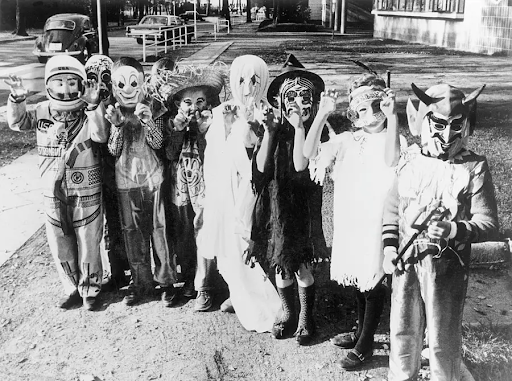
In more recent times, Halloween has become far more popular and commercialized. It becomes a popular theme in media, such as the classic movie, Casper the Friendly Ghost. Around the mid 20th century, costumes started to look more similar to what we wear today. There also was the creation of haunted houses, which is believed to have served to keep teens and kids away from mischief, which was a common occurrence on Halloween night. Costumes started to be mass produced, which made the Halloween tradition of dressing up more accessible and popular to everyone in America. People still carve pumpkins, like the Samhain practice of carving turnips, and trick or treating is the most popular thing to do nowadays as a kid or tween. Additionally, themed foods, candy apples, watching scary movies, and bobbing for apples are all current popular activities to do during the celebration. The same spooky atmosphere of the old All Hallows Eve celebration is still a main theme during the season as well, and gives, with a modern view, a glimpse into the original ancient rituals of Halloween.