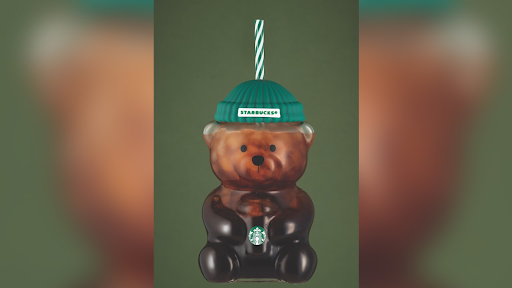
Starbucks recently unveiled its new holiday menu. Fan favorites such as the Peppermint Mocha and Gingerbread Chai have made their traditional debut. With this new drop comes controversy with the new “Holiday Bear Cup,” which sparks outrage for how customers have reacted over the cup’s allusive drop.
Following last year’s menu, traditional festive favorites such as the Caramel Brulee Latte, Gingerbread Chai, Sugar Cookie Latte, Cran-Merry Orange Lemonade Refresher, and Peppermint Mocha have returned. The new Gingerbread Cream Cold Foam and the Iced Sugar Cookie Latte, have taken social media by storm with festive flavors, perfect for the holiday season.
These contributions to the holiday culture have given consumers something to look forward to after a long day of purchasing gifts. TikTok creators have gone as far as to say, “It’s not really Christmas time without the holiday menu,” expressing consumers’ assimilation of the yearly tradition into their holiday activities. These releases allow consumers to unwind after a stressful day of holiday shopping and activities, by enjoying a delicious festive delight.
On the other hand, new items added, such as the new “Holiday Bear Cup,” have sparked extreme outrage not just on the internet, but in real life on both sides of the issue. Those who are in favor of the Bear Cup believe it’s a harmless holiday item. However, those who are opposed argue that the cups’ release has added to an ongoing problem over consumerism across the country, caused by both the consumers and Starbucks itself as a company.
The Bear Cup was released on November 6th, marketed as though they would be sold in bulk to all Starbucks. It was then revealed by employees via social media apps like TikTok that each store would only receive two cups to sell. Many customers camped outside of Starbucks all across the country, outraged, in order to get their hands on the Bear Cup. Due to the exclusivity of the cup, the cup sold out quickly within the first couple of minutes of the store being open. Many customers harassed the Starbucks baristas over this, blaming them for the lack of stock given by the company.
Those who are against the Holiday Bear Cup argue that chaos over the cups release was the antithesis of “overconsumption,” which is the act of consuming in excess. They argued that the cup was extremely impractical because it is made of glass and is not able to fit in a majority of car cupholders, making it extremely difficult for day to day use. On the day of release, the cup was sold for $29.95. Afterward, the frenzied resellers went to sell the cup online for upwards of $1,000.
Many have argued that the cup, like many other previous water bottle trends like Stanleys and Owalas, will end up in landfills or thrift stores, repeating the ongoing cycle of overconsumption. Those who are against the Holiday Bear urge consumers to think continuously of what they purchase, why they want to purchase items, and how it will affect the future.